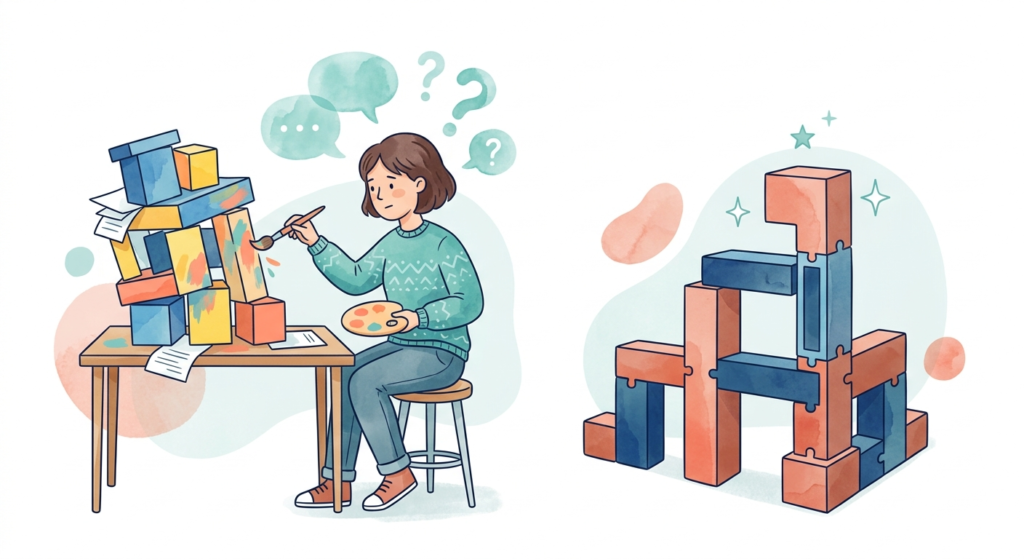
In the age of instant communication and rapid content production, it is tempting to believe that rewriting is the same as revising. We polish sentences, tweak word choices, and adjust style — all in the name of clarity. But beneath this surface-level effort lies a deeper phenomenon: most of us are not revising our ideas. We are merely rewriting our sentences.
This subtle yet profound distinction has enormous implications for how we think, communicate, and, ultimately, how we grow intellectually. Because if we mistake superficial editing for genuine revision, we risk reinforcing our existing assumptions, obscuring our misunderstandings, and missing opportunities for real progress.
The Difference Between Rewriting and Rethinking
To understand the gap, let us clarify what it means to revise. Rewriting involves changing surface elements, such as sentence structure, word choice, and tone, without necessarily altering the underlying idea. It is often driven by aesthetic concerns or a desire for stylistic perfection. Rethinking, on the other hand, is about questioning and reshaping the core concept itself. It requires stepping back, challenging assumptions, and engaging in a deeper cognitive process.
Consider a writer working on an essay. They might spend hours rephrasing sentences, making the language more elegant. Yet, if they have not questioned the core argument — whether the premises are valid, whether the conclusion follows — they are merely polishing a flawed idea. In contrast, a genuine revision might involve revisiting the thesis, testing it against new evidence, or reframing the problem altogether. It is a fundamental cognitive shift, not just a cosmetic update.
Why People Avoid Real Revision
Despite its importance, real revision is often avoided. Why? Several psychological and practical factors come into play:
—Cognitive Ease and Comfort Zones: Rewriting sentences feels productive and safe. It gives a sense of progress without the discomfort of confronting one’s misunderstandings or biases.
—Fear of Uncertainty: Rethinking ideas can be unsettling. It might mean admitting previous errors or abandoning cherished beliefs. Many prefer the illusion of refinement over the risk of radical change.
—Cultural and Educational Norms: Many systems reward surface-level editing, such as that of grammar, style, and clarity, over critical thinking and conceptual revision. The focus on polished presentation can discourage deeper inquiry.
—Time and Effort: True revision requires mental effort, humility, and patience. It is easier to tweak a sentence than to overhaul a worldview or argument.
These factors create a powerful inertia that keeps most people trapped in superficial editing, mistaking stylistic refinement for intellectual progress.
The Illusion of Progress
This tendency leads to what I call the illusion of progress. The work looks better, sounds more polished, and feels more confident. But often, the core ideas remain unchanged; only the packaging has improved.
This phenomenon is widespread. Think about the countless blog posts, reports, or presentations that have been endlessly polished stylistically; yet their foundational logic remains unchallenged. The result is a veneer of sophistication masking unresolved conceptual flaws.
Even in high-stakes contexts, such as scientific research, policy debates, and business strategy, organisations often fall prey to this illusion. They invest heavily in editing reports, refining language, and perfecting slides, but they neglect the crucial step of revisiting and revising the underlying assumptions and frameworks.
What Real Revision Looks Like
True revision is a process of cognitive excavation. It involves the following:
—Questioning Assumptions: Are my premises valid? Have I overlooked alternative explanations?
—Testing Ideas Against Evidence: Does this hold up under scrutiny? What would disprove it?
—Reframing the Problem: Is this the right question? Could a different perspective yield a better understanding?
—Engaging in Dialogue: Seeking feedback from others who challenge your thinking.
—Allowing for Discomfort: Embracing the possibility that your current ideas are incomplete or incorrect.
Real revision is messy, effortful, and often uncomfortable. But it is also the only path to genuine insight and progress. It transforms superficial editing into meaningful cognitive growth.
High-Recognition Examples
Throughout history, some of the most profound ideas emerged not from rewriting sentences, but from revisiting and revising core beliefs:
—Einstein’s Shift From Newtonian mechanics: His thought experiments and willingness to challenge foundational assumptions led to relativity, not just stylistic adjustments to physics equations.
—The Scientific Method: A constant process of revising hypotheses in light of new evidence, not just rephrasing old theories.
—Winston Churchill’s Speeches: Often revised multiple times, not just for style but to clarify and strengthen underlying convictions.
In these cases, the true power lay in revising the idea itself, not just its expression.
Positioning and Stakes
In a world obsessed with presentation, it is easy to overlook the importance of revising our ideas at a conceptual level. Yet, the most enduring and impactful work, whether in thought leadership, innovation, or leadership, comes from revisiting the core, challenging assumptions, and reshaping beliefs.
Failing to do so risks producing polished but shallow work. It fosters a culture of surface-level engagement, where ideas look good but lack depth. This not only hampers personal growth but also risks strategic missteps in organisations and society.
Conclusion
If your work keeps improving stylistically without becoming clearer conceptually, it may not need another rewrite. It may need a rethink.
Embracing genuine revision means cultivating humility, curiosity, and patience. It requires shifting focus from superficial polishing to deep questioning. Only then can we transform our ideas from mere sentences into meaningful, impactful insights.
If you are committed to moving beyond the illusion of progress, start by asking: What assumptions am I holding that might be wrong? What would happen if I challenged my core belief? The answers might reshape your entire thinking.
Discover more from Methods and Musings
Subscribe to get the latest posts sent to your email.