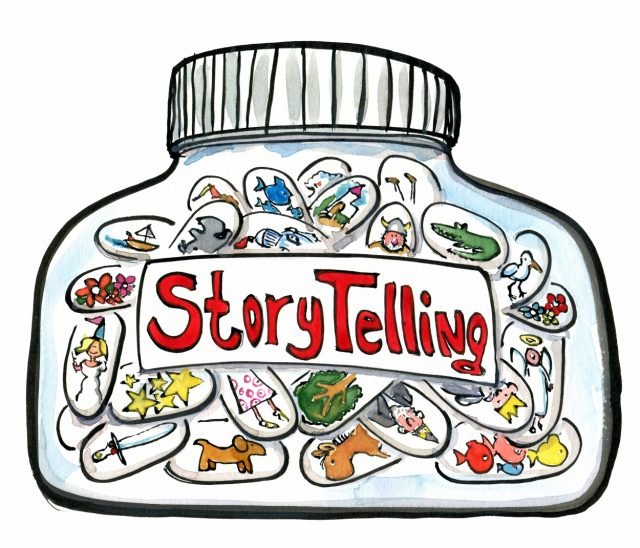
Language learning is an enriching journey, one that invites individuals to explore new worlds, cultures, and ways of thinking. Amid the vocabulary drills, grammar exercises, and pronunciation practices, one of the most engaging and effective tools at a language learner’s disposal is storytelling. Storytelling is not just a means of entertainment; it is a powerful educational device that can accelerate language acquisition, deepen comprehension, and foster a love for learning. In this post, we will explore how storytelling can enhance language learning, and we will discuss techniques, activities, and tips to integrate this approach into your language studies effectively.
The Benefits of Storytelling in Language Learning
1. Increased Vocabulary Retention
One of the primary challenges in language learning is vocabulary acquisition. The sheer volume of words a learner must absorb can be daunting. However, storytelling offers a unique solution. When words are embedded within a narrative, they gain context, making them easier to remember.
Think about it: when you hear a story, you’re not just receiving dry, isolated vocabulary; you are seeing words in action. For instance, consider the word ‘brave.’ When it’s woven into a story about a hero who faces great challenges, learners not only grasp its meaning intellectually but also emotionally, allowing for deeper retention. This contextual learning helps words become part of a learner’s active vocabulary.
2. Improved Listening and Comprehension Skills
Listening is an essential skill in language learning; yet many learners find it challenging. Engaging with stories, whether through audiobooks, podcasts, or live storytelling sessions, makes listening practice more enjoyable and less intimidating. The natural rhythms and intonations of spoken language are better understood when embedded in a narrative context.
Moreover, storytelling captures the listener’s attention, making it easier to comprehend and process language. Learners often find themselves more motivated and invested when they are immersed in a well-told tale, leading to enhanced comprehension.
3. Enhanced Speaking Abilities
Speaking can be one of the most nerve-wracking aspects of language acquisition. Storytelling provides a structured framework that learners can use to practise their speaking skills. Retelling stories, finishing someone else’s story, or narrating personal experiences allows learners to experiment with language in a lower-stakes environment.
By practising storytelling, learners can become more fluent and confident speakers. They learn to organise thoughts, use appropriate vocabulary, and adjust their tone and delivery on the basis of the story’s emotional arc.
4. Cultural Awareness and Sensitivity
Stories are vessels of cultural knowledge. They reflect the values, beliefs, and experiences of a community. By engaging with stories from different cultures, learners not only improve their language skills but also gain insights into the lives and histories of others. This cultural sensitivity is an essential aspect of language learning and of fostering empathy and understanding.
Techniques for Using Storytelling in Language Learning
1. Personal Storytelling
Encouraging learners to share their own stories is a powerful way to practise language skills in a meaningful context. Personal storytelling provides students an opportunity to connect their life experiences with language use, fostering both confidence and fluency.
To facilitate personal storytelling, consider using prompts or questions that inspire narrative sharing. Take the following for example:
—What is the most memorable trip you ever took?
—Share a family tradition or celebration.
—Describe a challenge you overcame.
Learners can also share their stories in pairs, in small groups, or as part of a larger class discussion. This not only builds language skills but also fosters a sense of community among learners.
2. Cultural Stories
Integrating folktales, fables, and traditional stories from various cultures is another effective storytelling technique. These narratives often come with rich vocabulary and idiomatic expressions, giving learners a glimpse into the culture from which they originate.
Consider hosting a cultural story week where each class session focuses on a different culture. An example could be introducing stories from the Brothers Grimm, Native American folklore, Jataka Tales or folklore from African cultures, to name a few examples. After reading or listening to these tales, engage learners in discussions about the themes, morals, and cultural contexts, allowing for rich language practice.
3. Retelling Activities
Retelling stories is a fantastic way to engage learners while encouraging creativity and language use. You can use story cards, illustrated panels, or even video clips as prompts for retelling activities. Here’s how you can implement this:
I. Choose a Story: Select a short story or a scene from a longer piece.
II. Discuss the Plot: Give learners a summary and discuss the characters and major events.
III. Group Activity: Divide learners into small groups and assign each group a different scene to retell. Allow them to use props or visuals for their retelling.
IV. Presentations: Each group presents their retelling to the class. This not only encourages speaking practice but also boosts confidence through collaborative effort.
Incorporating Technology
In today’s digital age, technology can significantly enhance storytelling activities. Here are some ways to incorporate modern tools into your language learning.
1. Story Creation Apps
There are many apps available that allow users to create and narrate their own stories. Apps such as Storybird, Toontastic, and Book Creator enable learners to combine text, images, and audio to produce their stories. This creative process enhances language skills, as learners must think critically about word choice, sentence structure, and narrative flow.
2. Podcasts and Audiobooks
Listening to podcasts and audiobooks provides learners access to authentic language use in storytelling formats. Pairing listening exercises with comprehension questions can help reinforce vocabulary and themes. Moreover, learners can discuss their favourite stories or narrators, leading to further language practice.
3. Digital Storytelling Platforms
Consider using video platforms such as YouTube or social media sites to create a digital storytelling project. Learners can make short videos telling a story or sharing their cultural narratives, enabling them to practise speaking skills while engaging peers.
Interactive Storytelling Activities
Interactive storytelling activities can further enrich the learning experience and make the process enjoyable. Here are a few suggestions.
1. Story Circles
In a story circle, learners sit in a circle and take turns adding a sentence to a story. This encourages creativity and quick thinking, as each learner must listen carefully to what has already been said while contributing their own ideas. It’s a dynamic and collaborative way to practise storytelling and improve fluency.
2. Cooperative Storytelling
In this activity, learners work in pairs or small groups to create a story together. Each participant takes turns contributing a sentence or plot twist. This encourages negotiation of language, exchange of ideas, and critical thinking about narrative structure.
3. Visual Storymaking
Use pictures or comic strips to prompt learners to create their stories. Ask learners to arrange images in a sequence and then narrate a story based on their arrangement. This combines visual comprehension with creative expression, allowing for a multifaceted language practice experience.
Conclusion
Storytelling is a rich, engaging, and multifaceted approach to enhancing language learning. It fosters a sense of community, cultivates cultural awareness, and invigorates vocabulary acquisition. By navigating the diverse avenues of personal storytelling, cultural narratives, and interactive activities, learners can embark on a linguistic journey that is as creative as it is educational.
As you integrate storytelling into your language-learning routine, remember that the goal is to enjoy the process and embrace the beauty of language in all its forms. Whether you are a learner or an educator, hold on to the stories that resonate with you and allow them to guide your learning journey.
What have been your own experiences with storytelling in language learning? What stories have inspired you? How have you incorporated storytelling into your studies? Let’s create a community that shares knowledge, methods, and musings on this wonderful journey of language learning!
By employing storytelling techniques, you’re not only learning a new language; you’re weaving rich tapestries of personal growth, cultural exchange, and lifelong connections. Happy storytelling!
Discover more from Methods and Musings
Subscribe to get the latest posts sent to your email.