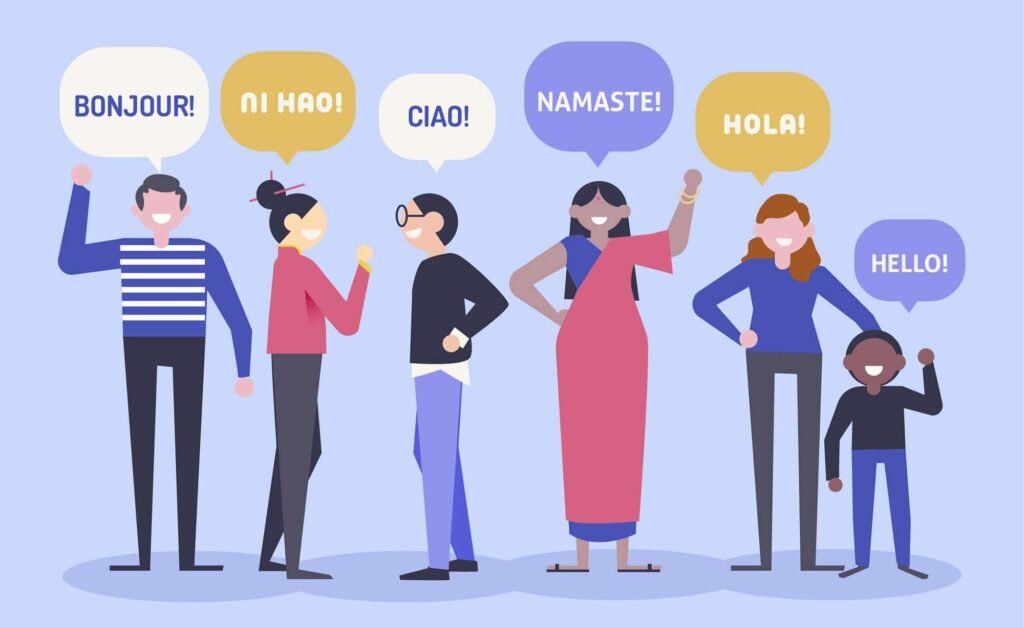
Language is much more than a tool for communication; it shapes and is shaped by the societies in which we live. One of the most fascinating aspects of language lies in its intricate relationship with social groups. From dialects to jargon, language serves as both a marker of identity and a means of establishing community. In this blog post, we will explore how language functions within various social groups, how it reflects social dynamics, and its role in the formation of identity.
Understanding Social Groups and Language
Social groups can be defined in various ways, including but not limited to factors such as culture, ethnicity, profession, age, or shared interests. Each of these social groups often develops its own distinctive way of speaking, which can include specific vocabulary, pronunciation, and even non-verbal communication practices.
The Role of Identity
Language plays a pivotal role in shaping our identities. From a young age, we learn that the way we speak can signify our belonging to specific social groups. This is evident in the way we adopt certain accents or use colloquialisms that resonate with our peers. Linguistic choices often reveal our backgrounds and affiliations, serving as a badge of identity in a social context.
For example, consider two individuals who hail from different regions of the UK. A person from London may use phrases like ‘innit’ or ‘fag’ (to refer to cigarettes), while someone from Northern England might instead use ‘eh’ and ‘baccy.’ These linguistic choices are not just mannerisms; they carry deep cultural significance and signal the speaker’s regional identity. When we communicate with others, we unconsciously negotiate our identity through our language, aligning ourselves consciously or unconsciously with particular social groups.
Community and Belonging
Language fosters a sense of community and belonging among group members. Specialised vocabulary, slang, or jargon, often termed ‘in-group language,’ helps solidify bonds within a group. For instance, professionals in fields like medicine or law use technical language that may not be comprehensible to outsiders. This insider language creates a sense of exclusivity while enabling efficient communication among members.
In youth culture, the emergence of internet slang has transformed the way teenagers communicate. Terms such as ‘lit,’ ‘savage,’ or ‘ghosting’ not only serve as a shorthand but also underscore a shared cultural experience. When young people use these terms, they signal their membership in a community that appreciates contemporary trends, humour, and a particular worldview.
Linguistic Diversity and Social Groups
Language variation can foster social cohesion, but it also has the potential to create divisions. Diglossia, a sociolinguistic term, describes a situation in which two distinct varieties of a language are used by a single language community. Consider the case of Arabic, which can be spoken in many dialects, such as Egyptian Arabic and Levantine Arabic, some of which are mutually unintelligible. The idea that some dialects are perceived as more ‘prestigious’ or ‘correct’ can lead to linguistic discrimination, wherein speakers of certain dialects are viewed as less educated or cultured.
Similarly, the phenomenon of code-switching — where individuals alternate between languages or dialects depending on their social context — reflects both linguistic flexibility and the social pressures faced by speakers. For example, a bilingual individual may use Hindi at home but switch to English in a professional setting. This behaviour showcases the nuanced relationship between language and identity and poses questions about authenticity and acceptance within diverse social environments.
Language and Class Distinction
The intersection of language and social class presents another fascinating domain for exploration. Sociolinguistic studies have consistently shown that language choices can signal socio-economic status. For instance, the use of Standard English is often associated with higher social class, while non-standard dialects may be stigmatised. This gradation reflects broader socio-economic disparities and can perpetuate existing class divides.
Additionally, accents play a significant role in how individuals are perceived within society. Research has shown that individuals with certain accents are often favored for job opportunities or deemed more competent based on their speech. Accents, therefore, do not merely convey regional identity; they also influence perceptions of intelligence, professionalism, and capability.
Youth Language and Subcultures
Intra-group language variation is particularly vivid among younger populations. Youth subcultures often develop unique modes of speaking that allow members to differentiate themselves from mainstream culture. For instance, the LGBTQ+ community has its own set of linguistic norms and slang that helps reinforce group identity and solidarity. Terms like ‘shade’ or ‘tea’ convey meanings that extend beyond their literal definitions, encapsulating complex social dynamics.
Similarly, the online gaming community has birthed a lexicon filled with abbreviations and specific terminology, such as ‘GG’ (good game) or ‘OP’ (overpowered). This language aids in creating an in-group dynamic and serves as a marker for community belonging while simultaneously acting as a barrier for outsiders.
The Impact of Globalisation
As globalisation progresses, so too does the discourse around language and social groups. The rise of the internet and social media has facilitated the spread of languages and dialects, leading to a blending of linguistic practices. For example, English has become the lingua franca in many international contexts. Users from diverse backgrounds adopt English phrases and vocabulary, sometimes mixing them with their native languages. This practice creates new, hybrid forms of expression, but it also raises concerns about linguistic imperialism and the potential erosion of local languages and dialects.
Globalisation also brings about a struggle for linguistic preservation. Many indigenous languages face extinction because of the dominance of major world languages. Communities are rallying to document and revitalise their languages as a means of preserving their cultural heritage and identity. Language is intricately tied to social groups’ histories and can serve as a potent symbol of resistance and resilience in the face of globalisation.
Challenges and Future Directions
As we analyse the intersections of language and social groups, several challenges emerge. Language is inherently a living phenomenon; it evolves over time, influenced by social, political, and technological changes. Understanding this dynamic nature is crucial for educators, policy-makers, and linguists in promoting multilingualism and inclusivity.
In educational contexts, promoting awareness of linguistic diversity and the social implications of language use can help combat stigma and discrimination. Teaching students about code-switching and dialectical differences may enable them to navigate their social landscapes with more confidence and empathy.
Moreover, language advocates must work collaboratively with communities to develop initiatives that promote linguistic preservation and revitalisation. These actions can strengthen group identities and ensure the survival of diverse languages for future generations.
Conclusion: The Interconnectivity of Language and Social Groups
The relationship between language and social groups is a multifaceted one, intricately woven into the fabric of human experience. It serves as a means of establishing identity, fostering community, and reflecting social dynamics. As we navigate a world that is increasingly interconnected yet diverse, understanding these linguistic phenomena becomes essential for effective communication and social cohesion.
Regardless of how we choose to speak, the language we use serves as both a mirror and a bridge to our social realities. By appreciating the nuances of language within social groups, we can foster greater empathy, inclusivity, and understanding, ensuring that every voice is heard in the rich tapestry of our global society. As language learners, engaging with these concepts offers an exciting opportunity to enrich our own communication practices and explore the profound connections that bind us all together.
Discover more from Methods and Musings
Subscribe to get the latest posts sent to your email.