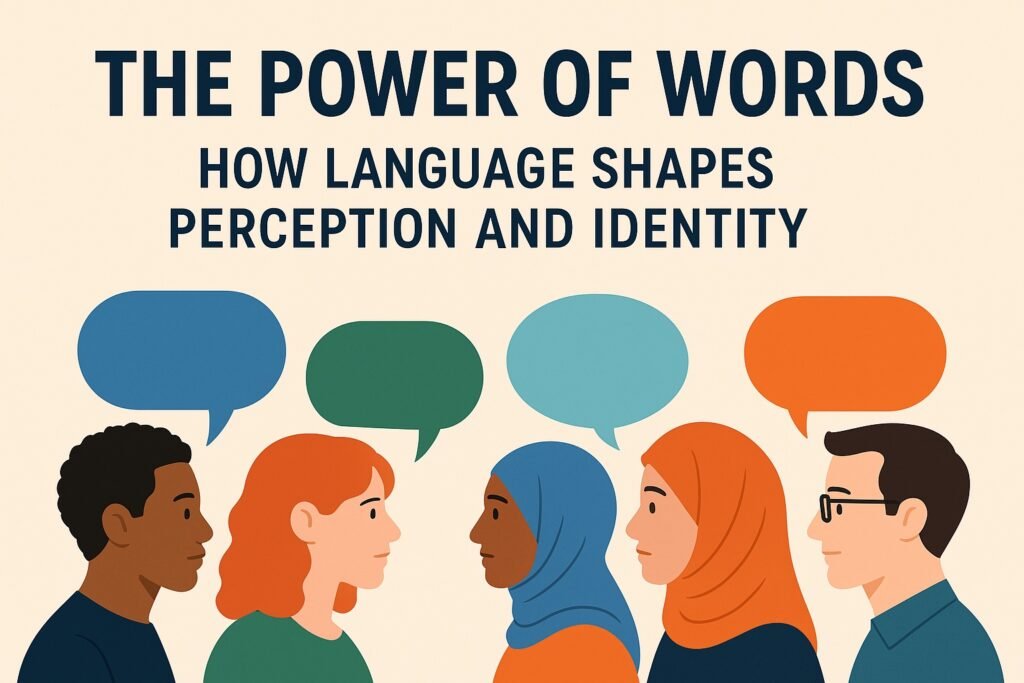
Language is more than a mere instrument for communication; it serves as a lens through which we interpret the world around us. The words we choose, the accents we bear, and even the dialects we adopt encapsulate our cultural backgrounds, our personal narratives, and our societal standing. Language not only reflects our identity but also shapes our perception of reality, influencing the way we think and interact with one another. This blog post will delve into the multifaceted relationship between language, identity, thought processes, and social relationships, shedding light on its significance in various contexts, both globally and within specific cultures such as India.
Language and Identity
How the Way We Speak Signals Our Cultural Background, Nationality, and Personal Identity
Language is inherently tied to identity. When we speak, we signal our cultural heritage, nationality, and personal identity. For instance, consider the linguistic landscape of India — a country characterised by its rich tapestry of languages, dialects, and ethnic groups. In everyday conversations, a speaker’s choice of language can reflect their regional identity, educational background, and social class. A person who speaks fluent Hindi with a distinct Punjabi accent not only communicates information but also evokes a sense of belonging to a specific community.
In a global context, the idea of ‘linguistic identity’ goes beyond mere geography. The way individuals express themselves can reveal affiliations with certain social groups. For example, African American Vernacular English (AAVE) carries rich cultural significance for many Black Americans, symbolising not only an identity but also a shared history and experience of resilience. Language serves as a marker of in-group belonging, distinguishing those who share cultural reference points from those who do not.
The Role of Accents, Dialects, and Multilingualism in Self-Expression
Accents and dialects serve as powerful indicators of identity. The phonetic details of a person’s speech can elicit preconceived notions about their background. While these distinctions can foster a sense of pride, they can also lead to stereotypes. A person with a British accent may be perceived as more educated or posh, while someone with a regional accent may face biases related to intelligence or professionalism.
Multilingualism further enriches the tapestry of identity. In a globalised world, many individuals find themselves navigating multiple languages. This linguistic versatility allows for a nuanced expression of identity. A bilingual speaker, for instance, may find that they express different aspects of their personality in different languages. The nuances of emotional expression, humour, or even concepts of respect can vary dramatically from one language to another, making multilingualism not just an asset in communication but a profound influencer of identity formation.
Linguistic Relativity: Does Language Shape Thought?
The Sapir–Whorf Hypothesis: Can the Structure of a Language Influence How We Think?
The relationship between language and thought has intrigued linguists and philosophers for centuries, culminating in the Sapir–Whorf Hypothesis. This theory posits that the structure of a language can significantly influence the way its speakers think and perceive the world. For example, in the realm of colour perception, languages that have multiple words for shades of colours may enable speakers to discern colour differences more acutely than those with fewer distinctions.
In practical terms, speakers of languages that structure time differently may conceptualise it in unique ways. Consider the difference between English and Mandarin. In English, time is often treated as a linear progression — yesterday, today, and tomorrow. Conversely, in Mandarin, the perception of time can be circular, as seen in traditional cultural contexts. This linguistic framework can inform how individuals experience their lived realities, impacting everything from personal relationships to life planning.
Examples from Different Languages
Looking at different languages can provide insights into the Sapir–Whorf Hypothesis. In Finnish, for instance, the word for ‘I’ (minä) does not imply the same sense of ego or individualism as the English ‘I’. As a result, Finnish speakers may perceive their identity as more interconnected with the world around them, reflecting a cultural emphasis on community rather than individuality.
Conversely, languages such as Japanese emphasise politeness and honorifics, shaping their speakers’ thoughts about social hierarchies and interpersonal relationships. In Japan, the use of various levels of politeness in language prompts speakers to navigate social contexts with sensitivity to hierarchy and respect, thereby influencing thought patterns around social interactions.
Labels and Power: How Words Shape Social Perceptions
The Influence of Words in Shaping Stereotypes and Biases
Words hold immense power in shaping societal stereotypes and biases. Labels can create narratives that influence how certain groups are perceived, often leading to widespread misconceptions. For instance, terms such as ‘illegal immigrant’ can dehumanise individuals and create societal stigmas that affect public opinion and policy. Similarly, the term ‘genius’ can ascribe an exaggerated level of capability while relegating those who do not fit that label to perceived inferiority.
In the Indian context, caste-based language has powerful implications for identity and perception. Terms associated with certain castes can lead to biases that perpetuate discrimination. Hence, the language used within societal frameworks can have profound effects on interpersonal attitudes and broader societal structures.
The Impact of Politically Correct Language and Why It Matters
Politically correct language refers to the conscious choice of wording that aims to minimise offense and promote inclusivity. As language evolves, so does the awareness of the weight words carry. The adoption of terms that respect individual identities — such as using ‘people with disabilities’ instead of ‘disabled people’ — can shift societal narratives and promote empathy.
In recent years, discussions around politically correct language have gained momentum across the globe, especially in multicultural societies where diverse voices seek representation. The conscious effort to alter language to foster respect highlights the power language holds in shaping societal attitudes.
Code-Switching and Social Adaptation
Why People Change the Way They Speak in Different Social Settings
Code-switching is a linguistic phenomenon where speakers alternate between languages, dialects, or accents depending on the social context. This adaptability serves various purposes, including social acceptance and ease of communication. For example, in India, a person may switch between Hindi and English in a professional setting, whereas they might converse wholly in their regional language at home. This shift signifies not just linguistic flexibility but also social navigation skills.
How Code-Switching Reflects Both Social Mobility and Cultural Heritage
Code-switching is intrinsic to identity negotiation. When individuals code-switch, they convey their ability to navigate multiple cultural landscapes, reflecting both their social mobility and their connection to their cultural roots. In urban Indian settings, young professionals might code-switch between English and their native languages, embodying a blend of modernity and tradition.
This phenomenon can also serve as a protective mechanism, allowing individuals to align themselves closer to their audience. For instance, a multilingual speaker might employ a specific dialect in a community filled with non-English speakers, fostering a sense of belonging and connection. Code-switching thus highlights the dynamic interplay between culture and identity, acting as a channel for self-expression.
The Evolution of Language in the Digital Age
How Social Media and Technology Are Influencing Modern Communication
The advent of social media has drastically transformed how we communicate, leading to the evolution of language itself. The platform landscape has birthed new forms of expression that engage a global audience. Shortened phrases, memes, and other digital vernaculars have altered linguistic norms, allowing for more spontaneous and informal communication.
Tools such as Twitter and Instagram have constrained characters for posts, prompting users to convey complex ideas succinctly. This digital shorthand leads to the creation of hashtags that act as both labels and conversation starters, shaping online discussions and trends.
The Rise of Internet Slang, Emojis, and New Linguistic Norms
The digital age has ushered in a new era of linguistic creativity. Internet slang — characterised by acronyms such as LOL (‘laugh out loud’) and phrases such as FOMO (‘fear of missing out’) — has permeated not only social media but also everyday conversations. Emojis serve as modern hieroglyphics, enriching text-based interactions by providing emotional nuance and context that might be lost in plain text.
In Indian contexts, the use of various regional dialects and languages on platforms such as WhatsApp or Instagram illustrates how linguistic diversity continues to thrive digitally. People are bridging their cultural heritage and global connectivity through their online personas.
Conclusion
The language we use inherently shapes our identities and influences our interactions with the world. By recognising the profound impact of language, we can navigate social complexities more sensitively and appreciate the rich array of human expression. The words we choose, the dialects we embrace, and the linguistic adaptations we adopt are woven into the fabric of our collective identity. Understanding the power of words cultivates conscious communication, fostering a world that is more inclusive, empathetic, and respectful of diverse human experiences. As we continue to engage within our communities, both locally and globally, let us explore language not merely as a tool, but as the very essence of our shared humanity.
Discover more from Methods and Musings
Subscribe to get the latest posts sent to your email.
Pingback: Do We Think in Language? Exploring the Sapir–Whorf Hypothesis - Methods and Musings