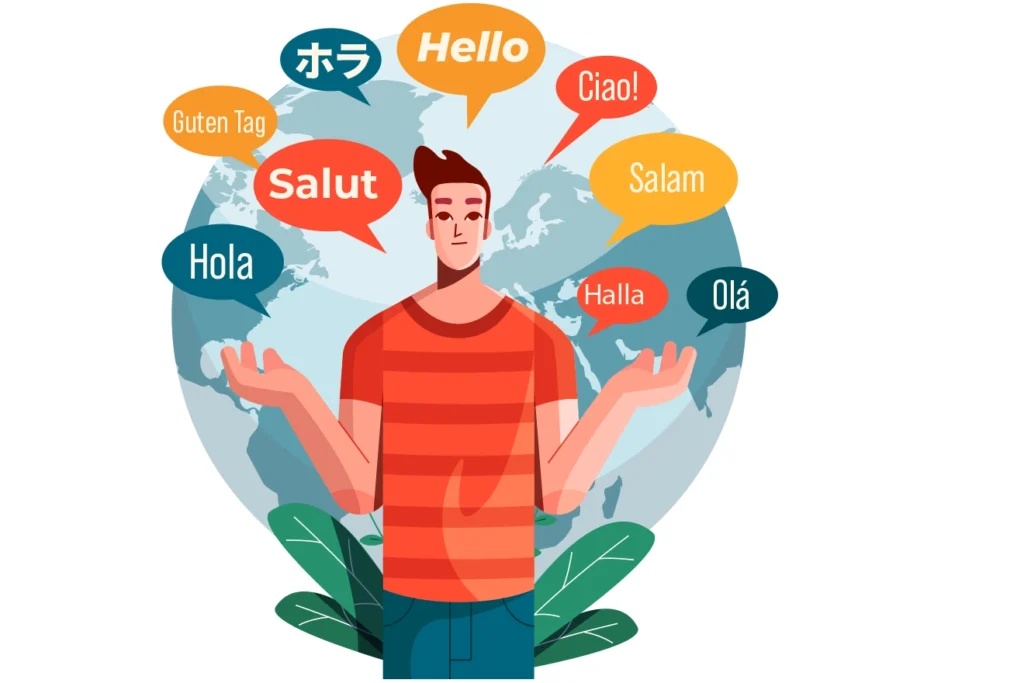
Language is not merely a sequence of words strung together to convey meaning; it is a vital tool that shapes our identities, connects us to our communities, and reflects the rich tapestry of human culture. In our previous exploration of ‘Language and Social Groups,’ we investigated the dynamic interplay between language and identity. Here, we will take a deeper dive into the fascinating realm of dialects and how they can serve as markers of our identities, define our social interactions, and enrich our understanding of culture itself.
Understanding Dialects
Before delving into the implications of dialects, it is essential to understand what a dialect is. Linguists define a dialect as a variation of a language that is particular to a specific region, social group, or community. It encompasses differences in pronunciation, vocabulary, and grammatical structure. While some dialects can be mutually intelligible with the standard language, others can be so distinct that they may function almost as separate languages. Recognising this diversity is key to understanding how dialects influence human interaction.
Factors Contributing to Dialects
Numerous factors shape the development of dialects, including geography, socio-economic status, history, and interaction with other languages. For example, the English language has developed various dialects influenced by colonial history and migration patterns. American English, British English, and Australian English each reflect unique cultural narratives, enriched by indigenous languages, immigrant influences, and historical events.
In India, the situation is even more intricate. Our country boasts hundreds of languages and dialects, with regional variations that reflect a blend of historical, social, and cultural influences. Hindi, Bengali, Tamil, and Marathi, among others, each represent not just linguistic diversity but also distinct cultural identities. Within these languages, there exist myriad dialects, such as Awadhi in Uttar Pradesh or Tulu in Karnataka, each reflecting the particular customs and practices of their speakers.
Dialects and Identity
One of the most compelling aspects of dialects is their role in constructing identity. Dialects act as markers of social identity, enabling individuals to signify their belonging to specific communities. For example, a person speaking in a broad Geordie accent in Newcastle, England, or a distinctive Southern drawl in the United States communicates more than mere words; they express regional pride and a connection to local culture.
Examples from Around the World
In Scotland, the Scots language, which includes dialects such as Doric and Glaswegian, is an integral part of national identity. Despite historical marginalisation, a resurgence in the use of Scots in literature and media is helping to foster a stronger sense of cultural pride. Similarly, in South Africa, the use of different Afrikaans dialects can signify various social and ethnic identities, ranging from urban to rural communities, shaping how individuals position themselves within the broader societal context.
In India, the linguistic landscape is remarkably diverse, reflecting the country’s complex sociocultural fabric. The use of regional dialects serves as a route for expressing individual and community identity. For instance, the Marathi dialects found in Maharashtra not only carry linguistic nuances but also encapsulate the region’s rich cultural heritage. The celebration of local dialects through literature, music, and festivals fosters a sense of identity and belonging among the speakers.
Emotional Dimensions of Dialect Usage
The emotional resonance of dialects also merits attention. Research has shown that individuals experience a profound sense of attachment to their dialects. These variations can invoke nostalgia, pride, and a strong sense of community. In contrast, the perception of certain dialects as ‘less prestigious’ can lead to internal conflicts for speakers. For instance, many speakers of African American Vernacular English (AAVE) may feel a dual loyalty — pride in their linguistic heritage and pressure to conform to standard American English to achieve social mobility.
This tension between dialectal identity and the mainstream standard language prompts a crucial conversation about social inclusivity. With a growing awareness of the value of linguistic diversity, many educational institutions and workplaces are beginning to embrace dialects as assets rather than hindrances, fostering environments where individuals can express themselves authentically.
The Role of Dialects in Social Interaction
Dialects do not merely signify social identities; they also play a critical role in facilitating or hindering communication within social interactions. This influence can be seen in various realms, from casual conversations to formal settings.
Connecting and Separating through Dialects
Dialects can serve as in-group markers among peers, fostering connections within communities. For instance, groups that share a dialect often feel an affinity towards one another, reinforcing their sense of community. In settings such as universities or workplaces, these shared dialects can create a sense of camaraderie among speakers.
Conversely, the same dialect can create barriers for those outside the group. For example, a heavy regional dialect can sometimes lead to misunderstandings or feelings of exclusion among non-native speakers. In India, this phenomenon can be observed with the many local dialects spoken across regions. A strong local dialect may render communication challenging for someone from outside the region, reinforcing the cultural divide.
Code-Switching in Daily Communication
An intriguing aspect of dialect usage is code-switching, where speakers alternate between dialects or language varieties depending on their audience. This strategy reflects social awareness and adaptability. For instance, a speaker might use a regional dialect while conversing with friends but switch to a standard dialect in professional settings to convey authority and maintain clarity.
In India, code-switching is not an uncommon — and some might say a prevalent — phenomenon, especially among urban youth who juggle multiple languages and dialects. The shift between Hindi, English, and regional dialects allows them to navigate different cultural spaces fluidly. For example, an individual from Mumbai might blend Hindi with Marathi and English in everyday conversations, emphasising their multifaceted identity and rich cultural upbringing.
Stereotypes and Misconceptions
It is vital to recognise that dialects can also be the subject of stereotypes, which impact social dynamics. Certain dialects may be associated with cultural or economic disadvantages, leading to negative perceptions and biases. In the United Kingdom, for example, accents such as Estuary English or the Scouse accent from Liverpool may be unfairly characterised as less educated or less sophisticated.
Such stereotypes can significantly affect individuals’ life opportunities, impacting education, employment prospects, and social interactions. As society becomes more globalised, it becomes increasingly important to challenge these biases and appreciate dialectal differences as enriching rather than dividing.
Conclusion: Embracing Our Linguistic Tapestry
Dialect diversity is not just about language; it encompasses identity, culture, and the complex interplay of social relationships. By recognising the significance of dialects in shaping our identities and facilitating connections, we can better appreciate the rich tapestry of human communication.
As we navigate the diverse linguistic landscape of our world — whether it be the varied English dialects from the UK, the multifaceted languages of India, or the diverse accents across the United States — we find that dialects offer us windows into the hearts and minds of their speakers. Rather than viewing dialects as barriers, let us embrace them as bridges that foster understanding and connection.
In doing so, we honour the complexity of language and its profound capacity to shape our identities. The conversation doesn’t end here. I invite you to reflect upon your experiences with dialects — whether it be the dialect you speak, a memorable interaction you had, or the challenges you’ve faced navigating between different varieties. Together, we can celebrate the beauty of linguistic diversity and enhance our understanding of one another in a globalised world.
Discover more from Methods and Musings
Subscribe to get the latest posts sent to your email.