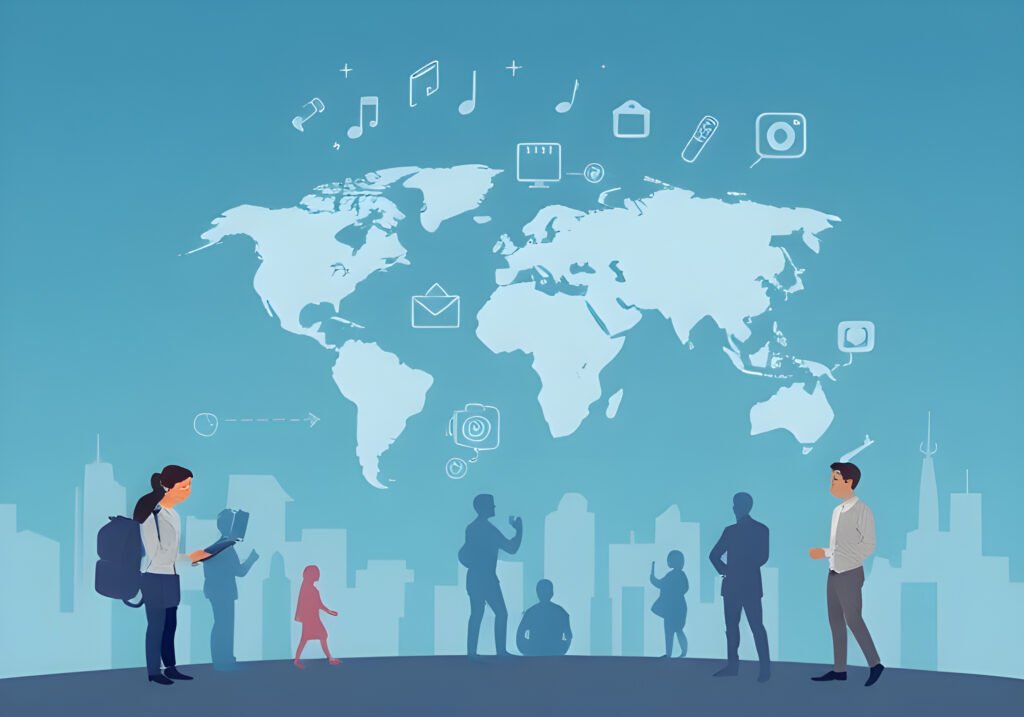
In an increasingly interconnected world, the inability to communicate across language barriers can be both a personal and a professional hindrance. As globalisation continues to shape our interactions, the importance of mastering languages is becoming paramount. Thankfully, we live in an age where technology is reshaping the landscape of language learning and cross-cultural communication in unprecedented ways. This blog post delves into how technology serves not only as an enabler of language acquisition but also as a facilitator of intercultural dialogue, effectively ‘breaking barriers’ that once seemed insurmountable.
The Digital Revolution in Language Learning
Technology has transformed the way we approach language learning. Traditionally, language acquisition was a structured, classroom-based endeavour, often involving rote memorisation and limited interaction with native speakers. However, the advent of digital tools has redefined this process, making it more interactive, accessible, and tailored to individual needs.
Mobile Applications and Online Platforms
Mobile applications like Duolingo, Babbel, and Rosetta Stone have democratised language learning. These platforms offer bite-sized lessons that cater to various learning styles and paces. For instance, Duolingo employs gamification strategies, making the learning process engaging and less intimidating, particularly for beginners. Such apps allow users to practise languages on the go, breaking geographical barriers and facilitating learning at their own convenience.
In India, where English is widely spoken yet often associated with socio-economic stratifications, platforms such as Hello English have emerged. They cater specifically to Indian learners, offering a localised approach to language acquisition that includes vernacular references and culturally relevant content. By bridging the gap between English proficiency and local dialects, technology serves a crucial role in making English learning accessible to a broader audience.
Social Media: The New Classroom
Platforms such as Facebook, Instagram, and Twitter provide opportunities for language learners to interact with native speakers and other learners. By engaging with content in a target language — be it through comment sections, live chats, or shared posts — learners can develop their linguistic skills in real-life contexts.
For instance, Indian users can follow popular social media influencers who communicate in English or participate in English-speaking communities on platforms like Reddit. These interactions expose learners to colloquial expressions and slang, fostering not just fluency but also cultural awareness. The immediacy and informal nature of social media interactions can aid learners in overcoming the anxiety often associated with speaking in a foreign language.
Virtual Reality and Augmented Reality
Emerging technologies such as virtual reality (VR) and augmented reality (AR) are set to revolutionise language learning. These immersive experiences go beyond traditional study methods, providing learners with virtual environments where they can practise language skills. Imagine a scenario where learners can simulate a conversation with a native speaker in a virtual marketplace or a café in Paris. Such experiences can build confidence and improve conversational skills in ways textbooks simply cannot.
A notable initiative in India is the use of VR technology in various educational institutions where language experts have started experimenting with immersive language-learning experiences. These hands-on approaches prepare learners for real-world interactions, helping to break down the barriers of unfamiliarity.
Enhancing Cross-Cultural Communication
While language learning is a valuable objective in itself, the ultimate goal often extends beyond fluency. It involves fostering cross-cultural communication and understanding. As language learners become proficient, they also equipped themselves with the tools to navigate cultural nuances, thus becoming global citizens.
Online Language Exchange Programmes
Language exchange programmes connect learners from different cultural backgrounds, allowing them to teach and learn from one another. Websites such as Tandem and italki empower users to find language partners on the basis of their interests and goals. This facilitates informal learning while encouraging cultural exchanges, leading to mutual understanding and respect.
In India, language exchange initiatives, especially for regional languages such as Hindi or Tamil paired with English or Spanish, gain traction among younger generations. Such exchanges not only enhance language skills but also promote a greater sense of empathy and cultural appreciation, which are essential in today’s multicultural workplace and society.
The Role of Artificial Intelligence
Advancements in artificial intelligence (AI) and machine learning have made significant contributions to language learning through personalised experiences. Tools such as chatbots can provide learners with conversation practice in a safe, judgment-free environment. These AI-driven platforms offer instant feedback on pronunciation and grammar, which is an invaluable resource in overcoming the fear of making mistakes.
Moreover, AI technologies can analyse learners’ progress and customise lessons accordingly. This adaptability ensures that language learning becomes a more effective and targeted process, which is pivotal in catering to diverse learner needs globally.
Breaking Cultural Myths and Stereotypes
Technology-enabled communication fosters an exchange of ideas and stories that can dismantle stereotypes and preconceived notions. Social networks allow for the direct sharing of diverse voices and viewpoints, creating a richer tapestry of understanding.
For example, participants in global online discussions can share personal narratives that provide insights into their cultures, prompting peers to challenge assumptions. Such dialogues are instrumental in building bridges of understanding and acceptance between cultures — it is not merely about learning a new language but also about appreciating the cultural contexts that shape how language is used.
Challenges and Considerations
While the advancements in technology offer numerous opportunities for language learning and cross-cultural communication, it’s important to acknowledge some challenges that come with this digital shift.
Overreliance on Technology
A potential drawback of technology is the risk of overreliance. While digital tools can facilitate learning, they should complement, not replace, traditional face-to-face interactions. The nuances of communication often require emotional intelligence, body language, and cultural context that can sometimes be lost in digital exchanges.
Digital Divide
In countries like India, the digital divide remains a concern. Based on socio-economic status, geography, and urban-rural divides, access to technology can vary significantly. Thus, while technology holds the potential to facilitate language learning, it also risks reinforcing existing disparities if access remains unequal. Bridging this gap requires collective efforts from governments, educational institutions, and tech companies.
Verification of Information
In an age of information overload, discerning credible sources from misinformation has become critical. Language learners should be equipped with the skills to evaluate the accuracy of content they consume online. This not only applies to language learning resources but also to cultural representations encountered during communication.
Conclusion
The convergence of technology, language learning, and cross-cultural communication heralds a transformative era in education and globalisation. By facilitating access, interaction, and immersion, technology empowers learners not only to acquire new languages but also to engage thoughtfully with diverse cultures.
As the global landscape continues to evolve, fostering understanding through effective communication will only gain importance. As learners embark on their linguistic journeys, they will find that the barriers once thought insurmountable are perhaps mere stepping stones to cross-cultural friendships and understanding.
By embracing technology in language learning — be it through mobile apps, social media, VR, or AI — we take meaningful steps towards a world where language is less a barrier and more a bridge, connecting us all in our shared pursuit of knowledge, empathy, and understanding.
Final Thoughts
In this digital age, let us embrace the tools we have at our disposal and commit to breaking barriers. Whether you’re a language learner or an educator, remember: the journey of language acquisition is not merely about learning words and grammar; it is about weaving together threads of culture, history, and humanity in a rich tapestry that reflects our shared existence.
Discover more from Methods and Musings
Subscribe to get the latest posts sent to your email.