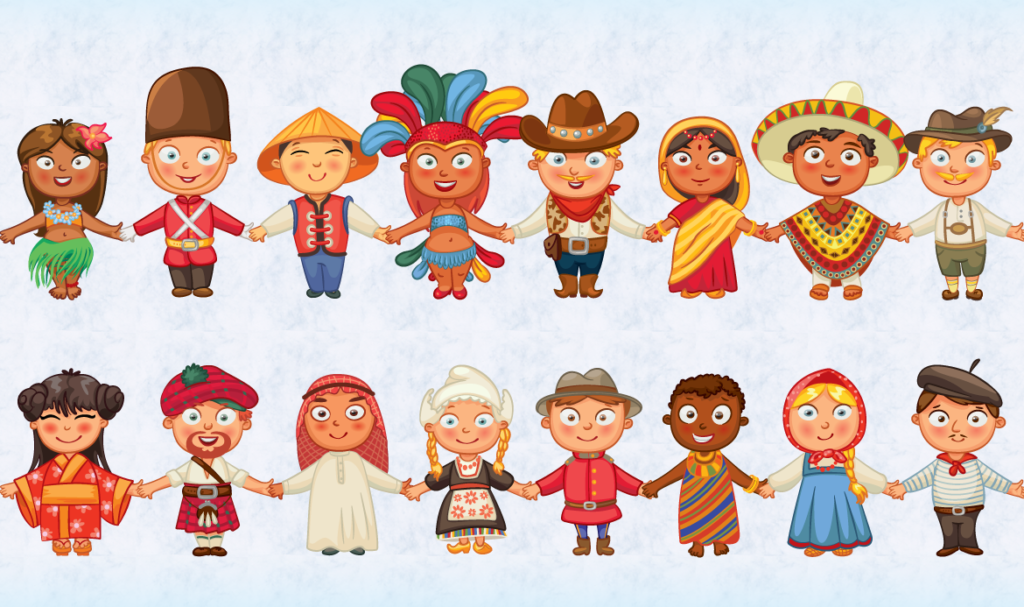
In our increasingly globalised world, mastering a language involves more than just grammar and vocabulary; it requires an understanding of the cultural nuances that underpin effective communication. For English language learners, acknowledging and appreciating these cultural factors is essential in achieving greater fluency and confidence in their interactions. In this blog post, we will delve into the significance of cultural nuances, explore specific examples of context-sensitive language use, and provide tips on how to enhance your English communication skills by embracing these aspects.
The Importance of Cultural Nuance in Language Learning
Language is inherently tied to culture, and certain phrases, idioms, or expressions may not directly translate into another language without losing vital meaning. Understanding cultural nuances helps learners navigate conversations more effectively and avoid misunderstandings that can arise from take language at face value. Moreover, being culturally aware enriches the learning experience, allowing learners to connect more profoundly with native speakers and the English-speaking community.
What Are Cultural Nuances?
Cultural nuances refer to the subtle differences in meaning and interpretation shaped by social, historical, and situational contexts. They encompass various elements, including the following:
Idioms and Expressions: Phrases that may seem nonsensical without understanding their cultural context.
Body Language and Non-Verbal Cues: Gestures and expressions that carry specific meanings in particular cultures.
Tone and Politeness: Different cultures have varying conventions regarding tone, directness, and politeness in communication.
Social Norms and Values: The beliefs and practices that are considered acceptable or typical within a particular culture.
Let’s explore these elements further, providing examples and explaining how they can enhance your English communication.
Idioms and Expressions
Idioms are phrases whose meanings cannot be directly derived from the words themselves. For instance, the expression ‘kick the bucket’ means to die, but someone unfamiliar with this idiom might find it perplexing. Here are a few more examples that highlight how context shapes the use of idioms.
‘Break the ice’: This phrase is often used to describe the act of initiating conversation in a social setting, particularly when people are meeting for the first time. Understanding this idiom can help learners create a more relaxed atmosphere during introductions or meetings.
‘Bite the bullet’: This expression means to face a difficult or unpleasant situation with courage. In a business context, a learner may use this idiom to signal their readiness to tackle a challenging project.
When using idioms, it’s crucial for learners to recognise appropriate contexts. Overusing idioms or using them incorrectly can lead to confusion or make the speaker sound unnatural. Practise incorporating them into daily conversations, but pay attention to how native speakers use them within various situational contexts.
Body Language and Non-Verbal Cues
Effective communication is not solely based on spoken words; non-verbal cues play a significant role as well. Different cultures have unique norms regarding body language, gestures, and facial expressions. Take the following for instance:
Eye Contact: In many Western cultures, maintaining eye contact is often seen as a sign of confidence and attentiveness, while in some Eastern cultures, it may be viewed as disrespectful or challenging.
Personal Space: Different cultures have different norms regarding personal space. In some cultures, individuals may be comfortable standing closer together, whereas, in others, personal space is more respected and maintained.
Understanding these non-verbal cues can significantly enhance communication skills. Language learners should observe native speakers, engage in active listening, and remain attuned to body language to ensure their messages are conveyed accurately.
Tone and Politeness
Politeness and tone play crucial roles in communication, often indicating respect and understanding. For example, using a direct approach might be appreciated in some cultures, while others might find it too abrupt. For a further illustration of this point, look at the following:
Direct Language: In places like the United States, being direct may be appreciated in business contexts where clarity is valued. Phrases like ‘I disagree’ or ‘Let’s change direction’ could be used without concern for sounding rude.
Indirect Language: In cultures such as Japan, indirect communication is often preferred to maintain harmony. In such cases, phrases such as ‘That might be an interesting point’ are used to express disagreement while keeping the atmosphere courteous.
English language learners should be mindful of adjusting their tone and approach based on the cultural context of their audience. Experiment with different styles and ask for feedback from native speakers to improve your tonal awareness.
Social Norms and Values
Cultural values influence how language is used in social interactions. Awareness of these norms can empower language learners to communicate more effectively. Here are a few examples.
Greeting Etiquette: In English-speaking cultures, greetings might range from a simple ‘Hi’ to a more formal ‘Good morning.’ Understanding when to use formal or informal greetings is essential, particularly in professional settings.
Humour: Humour varies widely across cultures. While British humour often leans toward irony and sarcasm, American humour may rely more on straightforward jokes. Understanding the humour of a culture can improve social interactions and help build strong connections.
To incorporate social norms into your learning, engage with native speakers, watch local media, and explore cultural contexts to gain insights into appropriate language usage.
Tips for Enhancing English Communication by Understanding Cultural Nuances
1. Engage with Native Speakers
One of the best ways to understand cultural nuances is to immerse yourself in conversations with native speakers. Participating in language exchange programs or discussion groups can provide valuable insights into how language is used in different contexts. Listen actively, ask questions, and be open to feedback.
2. Consume Diverse Media
Books, films, podcasts, and music can provide a window into the cultural context of language. Pay attention to idioms, expressions, and cultural references in these mediums. Note how contexts influence the way characters communicate with each other.
3. Observe Social Interactions
Whether through travel or online platforms, observing social interactions among native speakers can enhance your understanding of cultural nuances. Note body language, tone, humour, and etiquette in various social settings.
4. Practise through Role-Playing
Engage in role-playing scenarios with language partners to practice using idioms and adapting your tone to fit different situations. Create hypothetical conversations to explore how to navigate specific cultural contexts.
5. Stay Curious and Open-Minded
Cultural nuances can vary significantly, even among English-speaking countries. Stay curious and open to learning about different perspectives. Attend cultural events in your community or engage in discussions about cultural differences to broaden your understanding.
Importance of Cultural Competence in Language Learning
Cultural competence — being able to interact effectively with people from diverse cultural backgrounds — is a vital skill for language learners. Beyond simply mastering English, understanding cultural nuances fosters empathy, respect, and adaptability. It is through this lens that learners can build authentic connections with English speakers and participate meaningfully in various cultures.
Conclusion
Navigating cultural nuances is a critical element of mastering English communication. By understanding idioms, body language, tone, and social norms, language learners can develop deeper connections with native speakers and enhance their overall communication skills. As you journey through language learning, remember to engage with the culture, embrace diversity, and remain curious. With practice and exposure, you will become not only a proficient English speaker but also a culturally competent communicator.
By fostering greater awareness of these elements, learners can build the confidence needed to express themselves effectively, bridging the gap between language and culture and making their language learning experience both enriching and enjoyable. Happy learning!
Discover more from Methods and Musings
Subscribe to get the latest posts sent to your email.