Task-Based

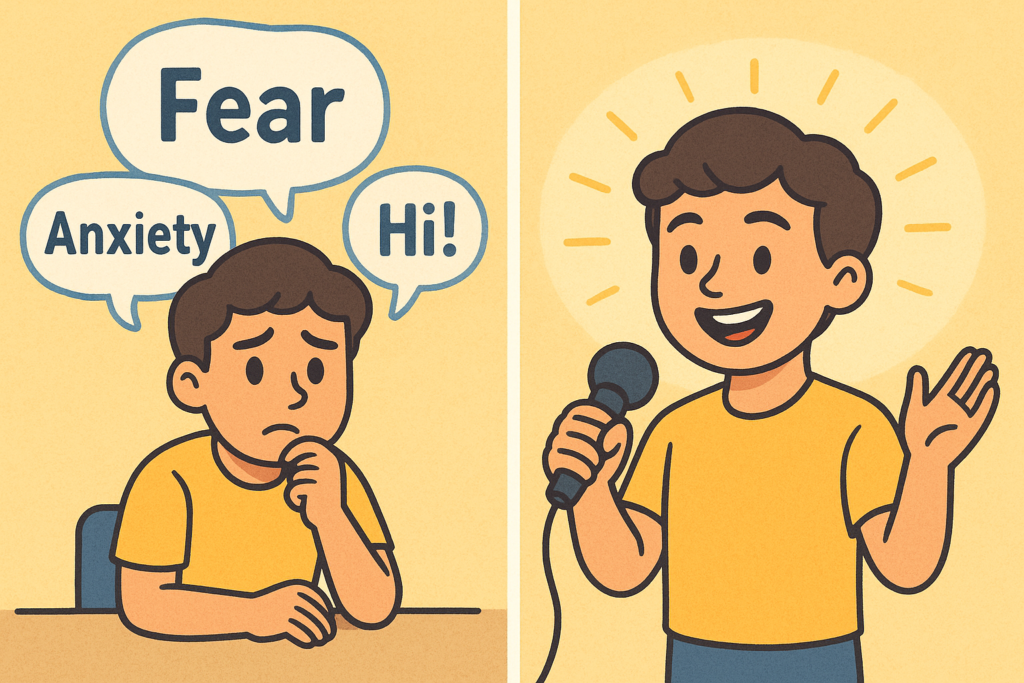
The Confidence Gap: Why Many English Learners Know the Rules But Do Not Speak Up

Imagine a classroom where students eagerly demonstrate their understanding of grammar rules, vocabulary, and pronunciation; yet, when the moment comes to speak, they freeze. They know the words, but they cannot quite find their voice. This paradox is a common phenomenon among English learners worldwide: the ‘knowers’ who struggle to ‘do’. It is a psychological, social, and cultural puzzle that cuts across borders, ages, and proficiency levels. 

In this blog post, we explore the intriguing phenomenon of the confidence gap in language learning: why learners often possess the linguistic knowledge but lack the courage or comfort to speak.

The Confidence Gap: Why Many English Learners Know the Rules But Do Not Speak Up Read More »
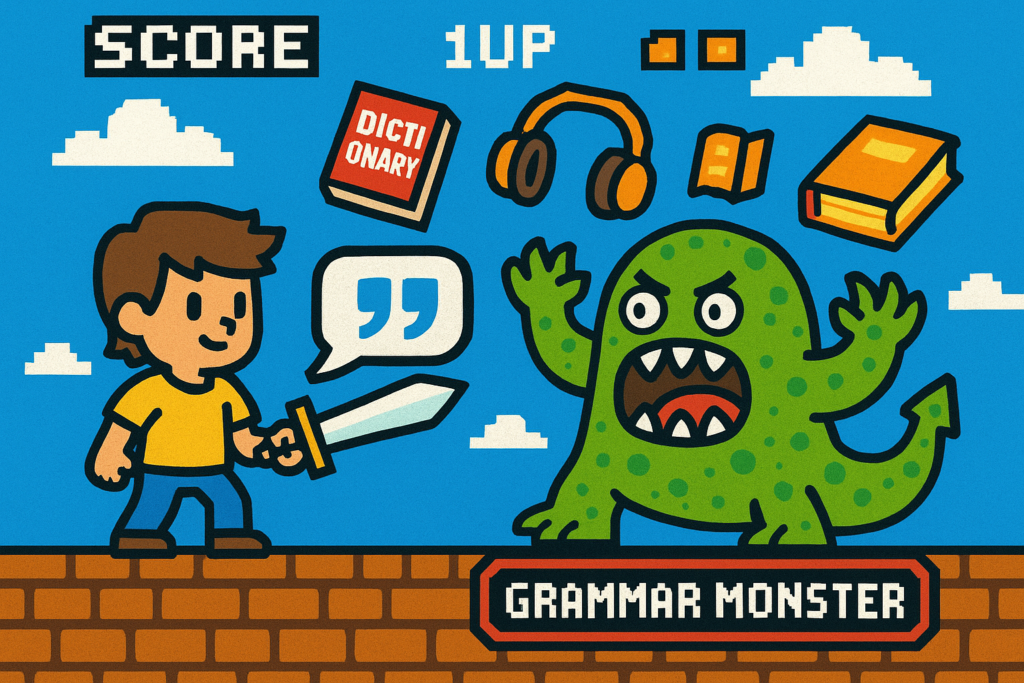
If English Were a Video Game: Levels, Power-Ups, and Hidden Bosses

Imagine stepping into a sprawling, vibrant world — an expansive universe teeming with quests, allies, hidden secrets, and formidable foes. Now picture this universe as the journey of learning English. Whether you are a novice just starting your quest or a seasoned explorer aiming for mastery, understanding this journey as a game can make your learning experience not only more engaging but also strategically rewarding.

In this blog post, we will treat English learning as if it were a captivating video game. We will map out levels of proficiency, highlight the ‘boss battles’ that challenge your skills, and reveal the power-ups that can boost your progress. So, gear up, hero! Your adventure in mastering the English language awaits.

If English Were a Video Game: Levels, Power-Ups, and Hidden Bosses Read More »

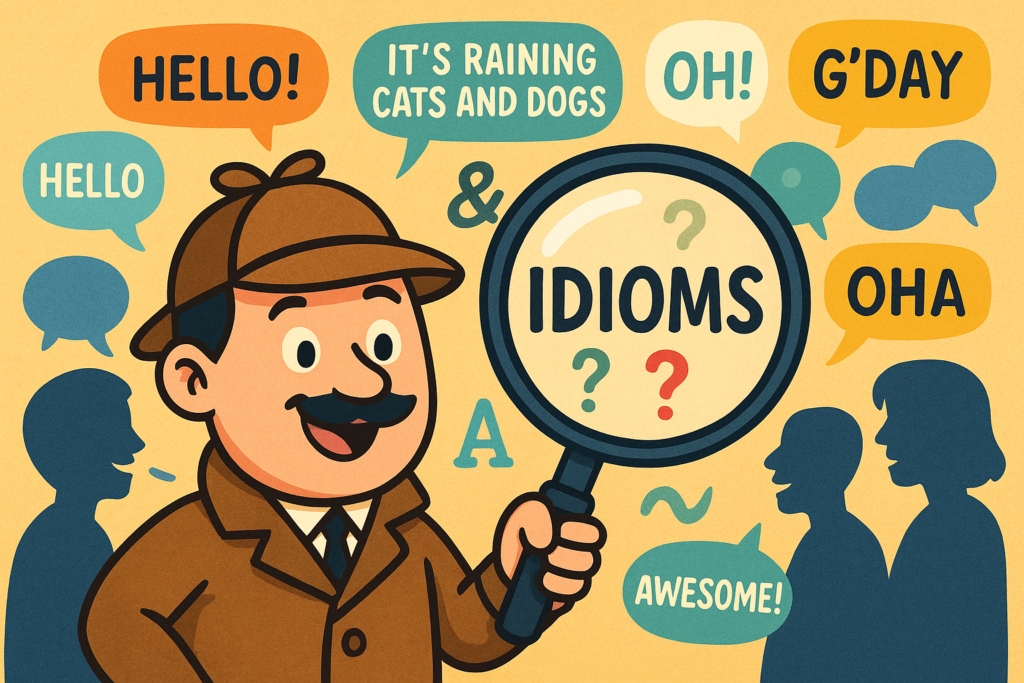
Linguistic Detectives: How to ‘Read’ People by the English They Use

Imagine walking into a room and overhearing a conversation. The words, tone, and rhythm immediately give you hints about the speakers’ backgrounds, feelings, and intentions, even if you do not understand every word. What if you could sharpen that skill? What if, as a language learner or teacher, you could become a ‘linguistic detective’, noticing subtle clues that reveal more than just the literal meaning of words?

Linguistic Detectives: How to ‘Read’ People by the English They Use Read More »

The Butterfly Effect in Language Learning: How Tiny Habits Change Everything

Imagine a tiny butterfly flapping its wings in a distant part of the world, setting off a chain of atmospheric events that culminate in a storm on the other side of the globe. This is the essence of the ‘butterfly effect’, a concept from chaos theory illustrating how small actions can lead to massive, unpredictable outcomes. Now, what if I told you that this same principle applies to learning a language? That seemingly insignificant daily habits can transform your English skills over time? 

In this blog post, we will explore how tiny, consistent actions, such as noticing one new word a day or speaking a single sentence aloud, can create monumental shifts in your fluency and confidence. This post combines psychology, habit formation, and linguistics to reveal practical strategies that turn small efforts into big results. Whether you are an aspiring learner from India, the United States, or anywhere around the world, understanding this principle can empower you to harness the power of tiny habits and revolutionise your language journey.

The Butterfly Effect in Language Learning: How Tiny Habits Change Everything Read More »

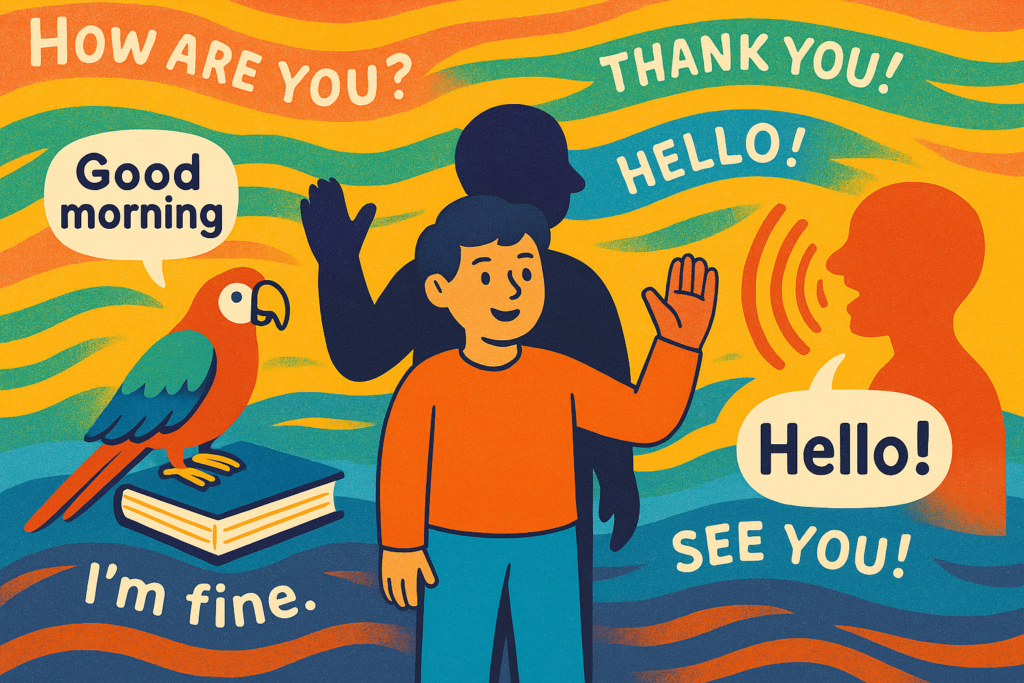
Echoes, Shadows, and Parrots: The Hidden Power of Imitation in Learning English

Imagine walking into a bustling street in Mumbai, New York, or Nairobi. Amid the hum of voices, you notice a child mimicking the gestures and intonation of a street performer, or a language learner repeating phrases after a podcast. These acts, so simple, so natural, are often dismissed as mere copying or mimicry. Yet, beneath their surface lies a profound, scientifically supported strategy for mastering English and other languages.

Echoes, Shadows, and Parrots: The Hidden Power of Imitation in Learning English Read More »

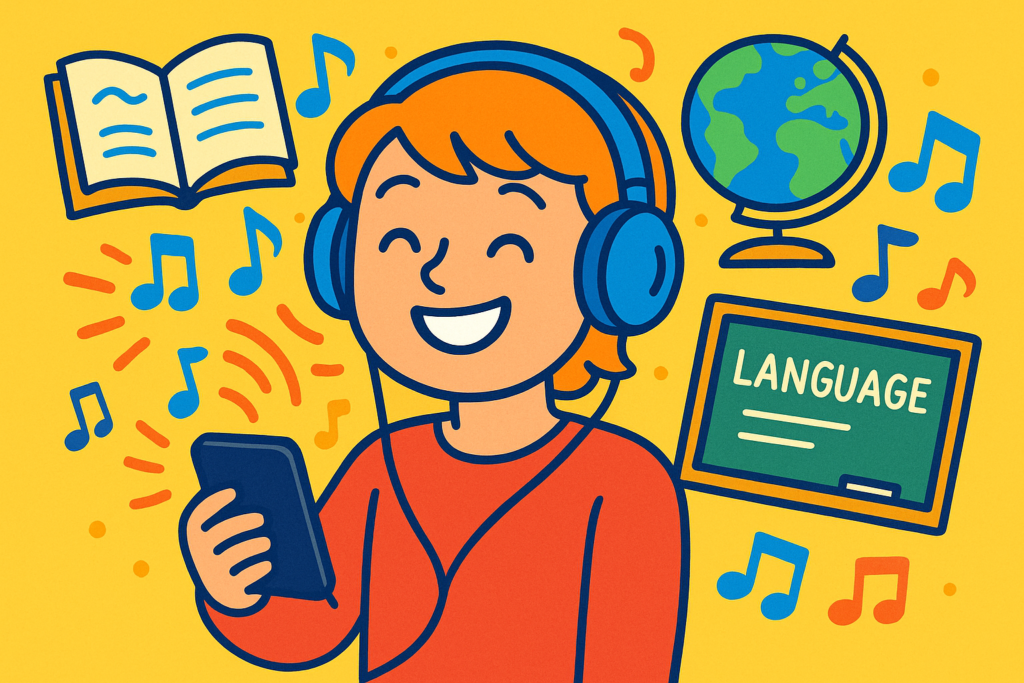
English by Ear: What Musicians Know About Language That Learners Often Don’t

What do rappers, jazz artists, and classical musicians have in common with great English speakers? More than you’d think.
Language learning is often approached as a visual, grammatical, and vocabulary-based pursuit. Textbooks, vocabulary lists, grammar rules, and pronunciation drills form the core of most curricula. While these components are undeniably vital, an often-overlooked aspect of language acquisition is the auditory experience — specifically, the ability to ‘hear’ and process language in its natural, musical form.

English by Ear: What Musicians Know About Language That Learners Often Don’t Read More »

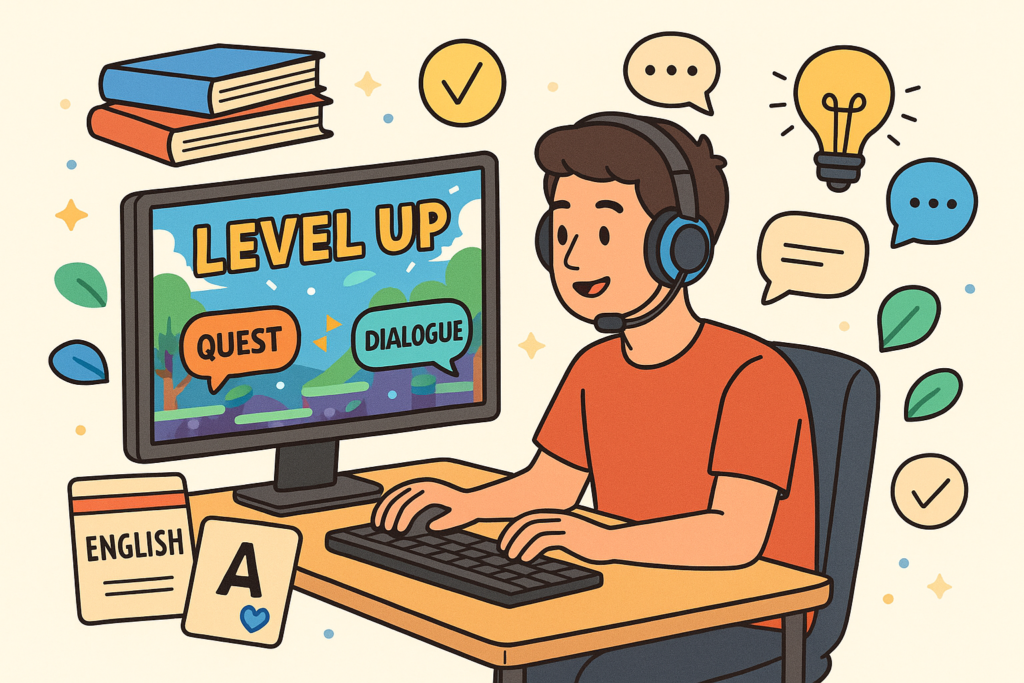
Level Up Your English: How Video Games Can Boost Your Language Skills

Video games can be powerful, engaging tools for language learning — especially English, the global lingua franca. With the rise of digital entertainment, millions of gamers worldwide are learning English informally, often without realising it. Whether through immersive storytelling, social interaction, or casual exposure, video games offer a dynamic environment that complements traditional language learning methods.

Level Up Your English: How Video Games Can Boost Your Language Skills Read More »

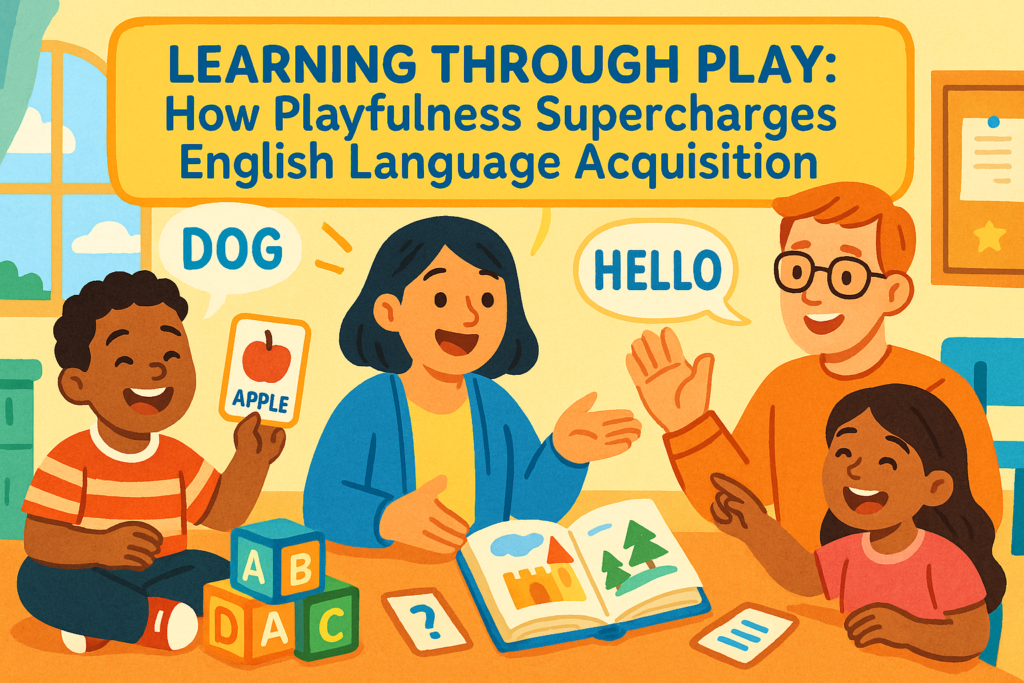
Learning Through Play: How Playfulness Supercharges English Language Acquisition

What if your best English lesson didn’t feel like a lesson at all? Imagine a classroom where children giggle while practising vocabulary, or adults confidently improvise dialogues in a fun game rather than rote memorisation. This isn’t just a utopian dream; it’s a reflection of how ‘learning through play’ can transform the way we acquire a new language.

Learning Through Play: How Playfulness Supercharges English Language Acquisition Read More »

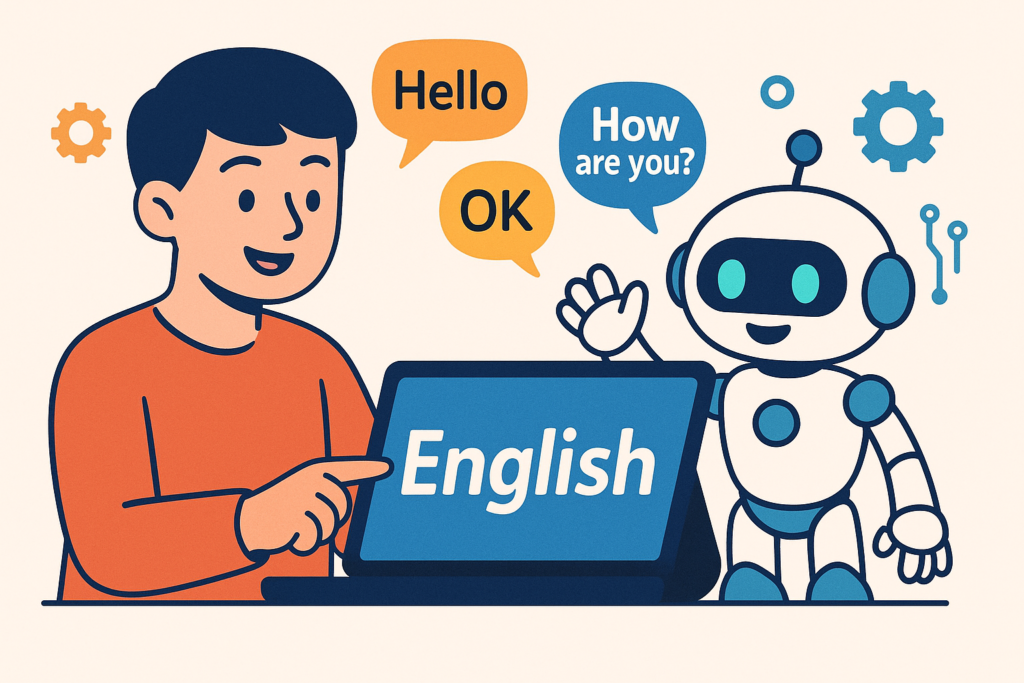
English in the Age of AI: What Learners Need to Know (and What Teachers Need to Rethink)

n recent years, the landscape of language learning has undergone a seismic shift. The advent of Artificial Intelligence (AI) tools such as ChatGPT, Grammarly, Duolingo Max, and others has not only made English learning more accessible but also more dynamic. As we stand at this crossroads, it is vital for both learners and teachers to understand how AI is transforming the way we acquire and teach English and, more importantly, how to adapt to this new paradigm effectively.

English in the Age of AI: What Learners Need to Know (and What Teachers Need to Rethink) Read More »

The Sounds of Silence: Teaching Pause, Intonation, and Rhythm in English

Imagine a conversation where every word is perfect, but the speaker’s voice sounds flat and monotonous. How does that affect your understanding? Surprisingly, research by Derwing and Munro in 2017 reveals that ‘listeners often perceive speakers with accurate prosody — meaning their intonation, rhythm, and pauses – as more fluent than those who speak grammatically correct but with a flat, unvaried tone’.
This finding shifts the common focus from just accuracy to the musicality of speech. It suggests that mastering how we say things, not just what we say, is crucial in effective communication. For language teachers and learners alike, this is a game changer: the sounds of silence — pauses, intonation, and rhythm — are just as vital as vocabulary and grammar.

The Sounds of Silence: Teaching Pause, Intonation, and Rhythm in English Read More »