Teaching

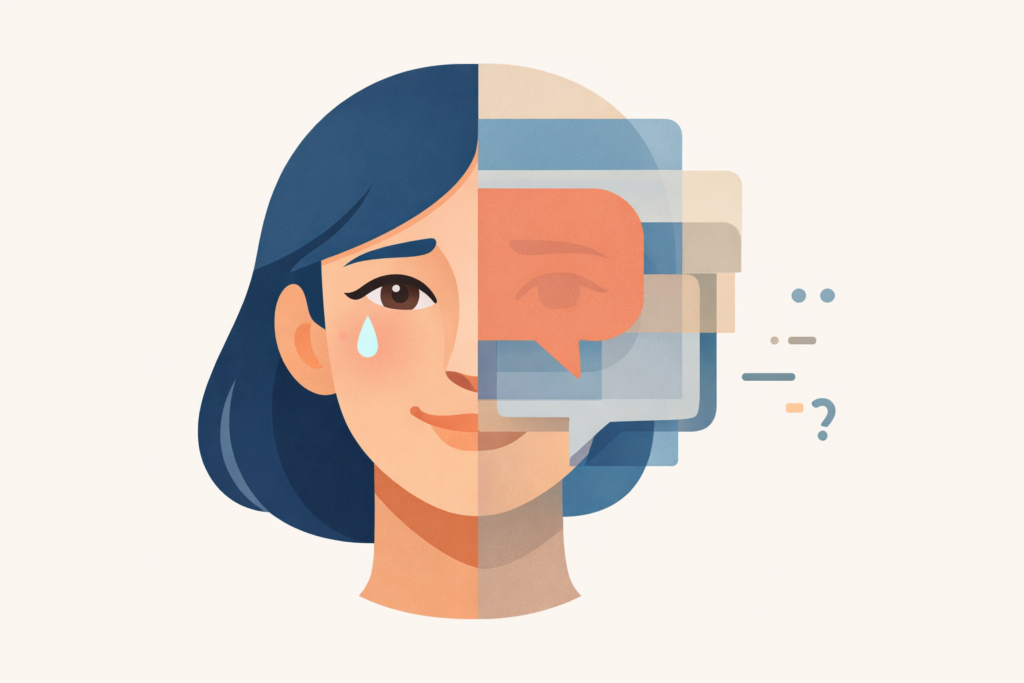
When English Gets Emotional: How Grammar Expresses (and Hides) Feeling

English has long enjoyed a reputation for being a language of efficiency, logic, and emotional restraint. Unlike some languages that are celebrated for their poetic expressiveness or passionate tone, English often appears to be reserved, even stoic. It is the language of science, technology, business, and diplomacy — domains where clarity and precision are prized over raw emotion.

However, beneath this veneer of rationality lies a complex web of subtle emotional signals. What if the reason English feels so restrained is not because it lacks emotion but because it chooses to hide it, particularly in its grammar? What if the very structures of English serve as a kind of emotional filter, allowing speakers to express feelings carefully, indirectly, or even invisibly?

When English Gets Emotional: How Grammar Expresses (and Hides) Feeling Read More »

The Grammar of Blame: How Syntax Shifts Responsibility

Imagine walking into a room and accidentally knocking over a cherished vase. When you say, ‘I broke the vase,’ the words carry a weight of personal responsibility, guilt, and accountability. The emotional temperature is immediate and intense. Now, if someone else reports, ‘The vase broke,’ the tone shifts. It becomes less confrontational, more detached, almost neutral. The event remains the same, but the way it is framed through language radically alters how we perceive responsibility.

This subtle yet profound difference illustrates a vital question: how does grammar influence our attribution of blame? Beyond mere syntax, language subtly guides our moral judgements, shaping perceptions of intent, culpability, and severity.

The Grammar of Blame: How Syntax Shifts Responsibility Read More »

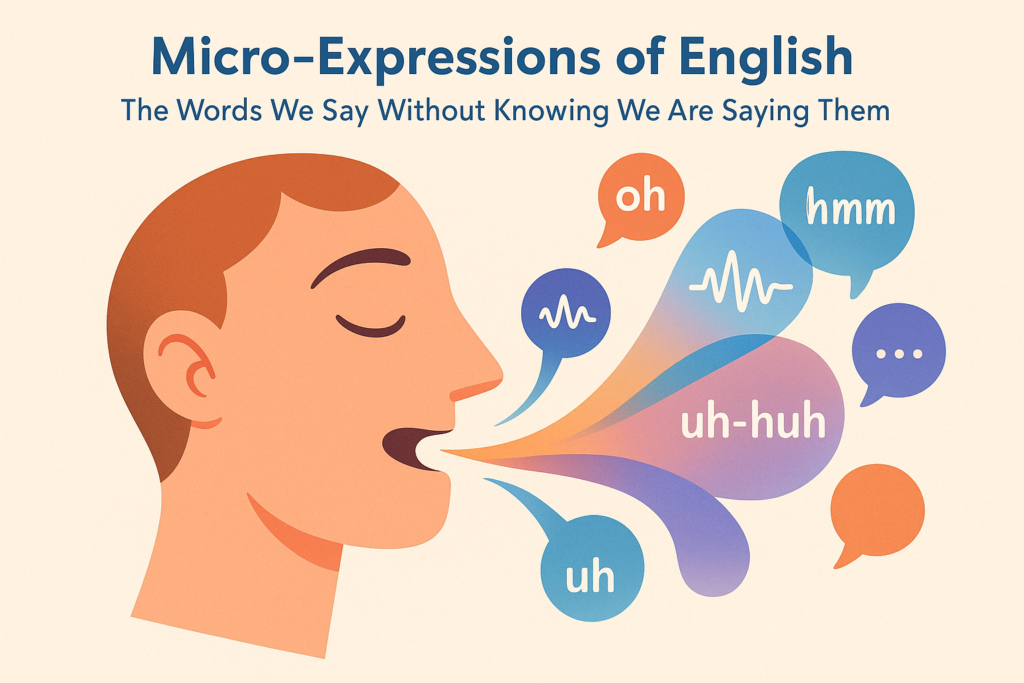
Micro-Expressions of English: The Words We Say Without Knowing We Are Saying Them

Before we speak in full sentences, before we articulate complex thoughts, there exists a subtle layer of communication that often goes unnoticed: the tiny sounds and utterances we produce, those fleeting syllables, sounds, and cues that are so ingrained in our speech that they pass by almost invisibly. These micro-expressions of language form a hidden fabric woven into our everyday conversations, shaping meaning, emotion, and social connection in ways that words alone cannot fully capture.

Micro-Expressions of English: The Words We Say Without Knowing We Are Saying Them Read More »

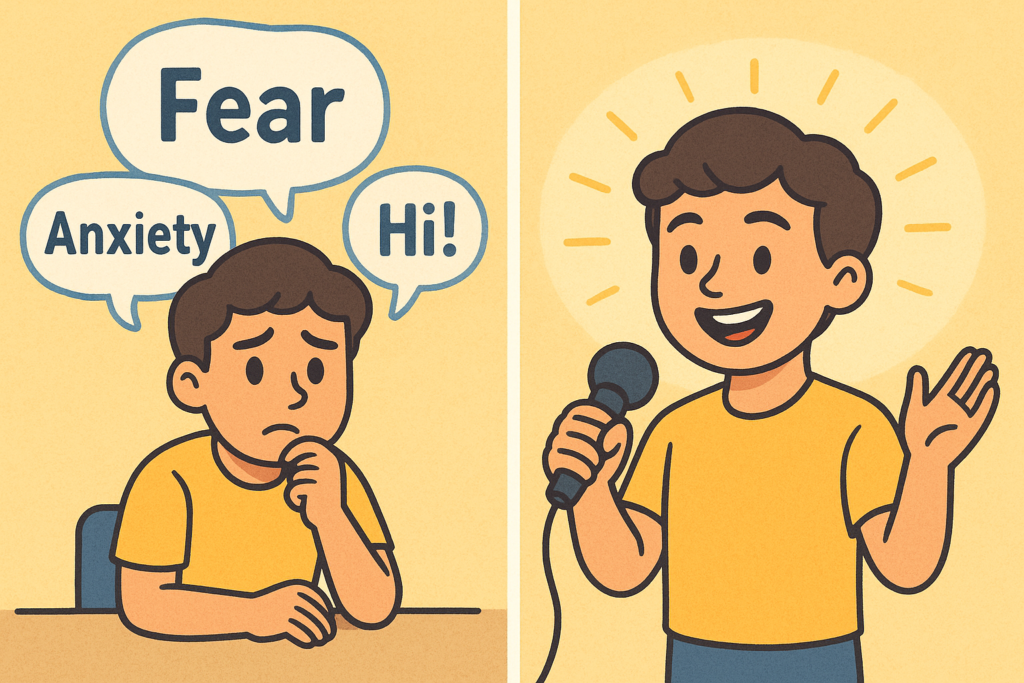
The Confidence Gap: Why Many English Learners Know the Rules But Do Not Speak Up

Imagine a classroom where students eagerly demonstrate their understanding of grammar rules, vocabulary, and pronunciation; yet, when the moment comes to speak, they freeze. They know the words, but they cannot quite find their voice. This paradox is a common phenomenon among English learners worldwide: the ‘knowers’ who struggle to ‘do’. It is a psychological, social, and cultural puzzle that cuts across borders, ages, and proficiency levels. 

In this blog post, we explore the intriguing phenomenon of the confidence gap in language learning: why learners often possess the linguistic knowledge but lack the courage or comfort to speak.

The Confidence Gap: Why Many English Learners Know the Rules But Do Not Speak Up Read More »

What If Shakespeare Had ChatGPT? Language Learning in Parallel Universes

Imagine for a moment that William Shakespeare, the quintessential bard of the English language, had access to a modern AI assistant, say, ChatGPT, during his lifetime. Would his mastery of words have deepened? Would his sonnets have evolved into new forms of expression? Or picture a young English learner in a post-apocalyptic world, where printed books and digital archives are relics of a bygone era. How would they navigate the complex terrain of language without the vast repositories of knowledge we take for granted today?

What If Shakespeare Had ChatGPT? Language Learning in Parallel Universes Read More »

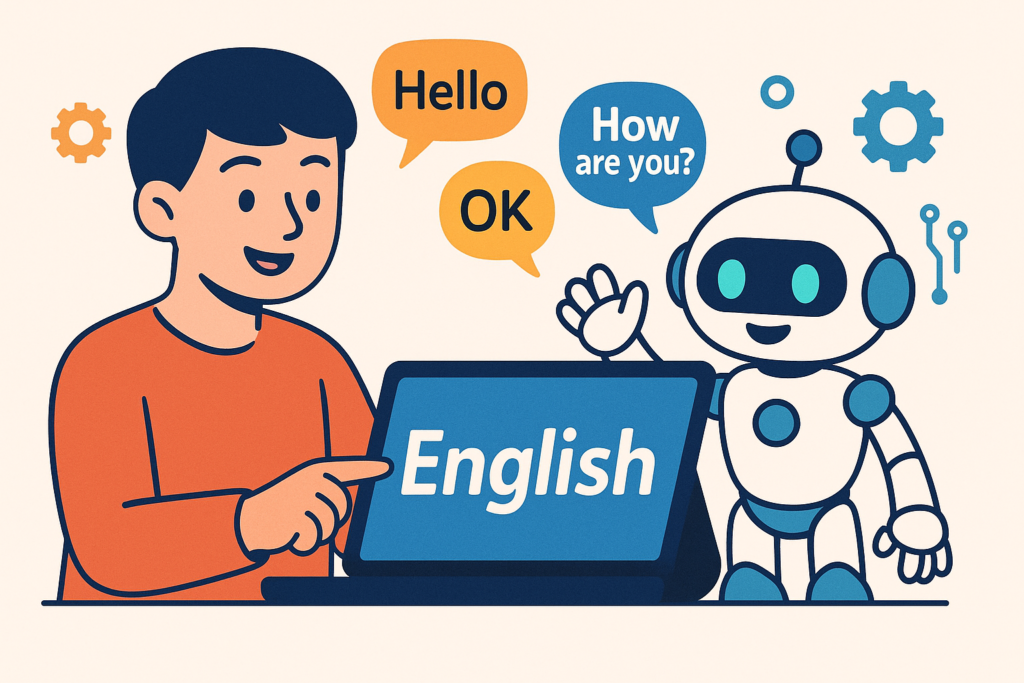
English in the Age of AI: What Learners Need to Know (and What Teachers Need to Rethink)

n recent years, the landscape of language learning has undergone a seismic shift. The advent of Artificial Intelligence (AI) tools such as ChatGPT, Grammarly, Duolingo Max, and others has not only made English learning more accessible but also more dynamic. As we stand at this crossroads, it is vital for both learners and teachers to understand how AI is transforming the way we acquire and teach English and, more importantly, how to adapt to this new paradigm effectively.

English in the Age of AI: What Learners Need to Know (and What Teachers Need to Rethink) Read More »

The Sounds of Silence: Teaching Pause, Intonation, and Rhythm in English

Imagine a conversation where every word is perfect, but the speaker’s voice sounds flat and monotonous. How does that affect your understanding? Surprisingly, research by Derwing and Munro in 2017 reveals that ‘listeners often perceive speakers with accurate prosody — meaning their intonation, rhythm, and pauses – as more fluent than those who speak grammatically correct but with a flat, unvaried tone’.
This finding shifts the common focus from just accuracy to the musicality of speech. It suggests that mastering how we say things, not just what we say, is crucial in effective communication. For language teachers and learners alike, this is a game changer: the sounds of silence — pauses, intonation, and rhythm — are just as vital as vocabulary and grammar.

The Sounds of Silence: Teaching Pause, Intonation, and Rhythm in English Read More »

What Is Translanguaging? The Secret Multilinguals Use to Master English

In this post we will explore the concept of translanguaging as a powerful tool in English language teaching. While traditional models often insist on English-only classrooms, translanguaging embraces learners’ full linguistic repertoires. It is not just code-switching — it is an intentional pedagogical approach that validates the use of all languages a learner knows to facilitate learning, foster confidence, and reflect real-world communication. The post will provide a conceptual understanding of translanguaging, distinguish it from code-switching, examine its practical implications in multilingual classrooms (especially in India and other Global South contexts), and offer actionable strategies for educators.

What Is Translanguaging? The Secret Multilinguals Use to Master English Read More »

Breaking Barriers: The Role of Technology in Language Learning and Cross-Cultural Communication

In an increasingly interconnected world, the inability to communicate across language barriers can be both a personal and a professional hindrance. As globalisation continues to shape our interactions, the importance of mastering languages is becoming paramount. Thankfully, we live in an age where technology is reshaping the landscape of language learning and cross-cultural communication in unprecedented ways. This blog post delves into how technology serves not only as an enabler of language acquisition but also as a facilitator of intercultural dialogue, effectively ‘breaking barriers’ that once seemed insurmountable.

Breaking Barriers: The Role of Technology in Language Learning and Cross-Cultural Communication Read More »

The Power of Dialects: How Language Varieties Shape Our Identities and Connections

Language is not merely a sequence of words strung together to convey meaning; it is a vital tool that shapes our identities, connects us to our communities, and reflects the rich tapestry of human culture. In our previous exploration of ‘Language and Social Groups,’ we investigated the dynamic interplay between language and identity. Here, we will take a deeper dive into the fascinating realm of dialects and how they can serve as markers of our identities, define our social interactions, and enrich our understanding of culture itself.

The Power of Dialects: How Language Varieties Shape Our Identities and Connections Read More »