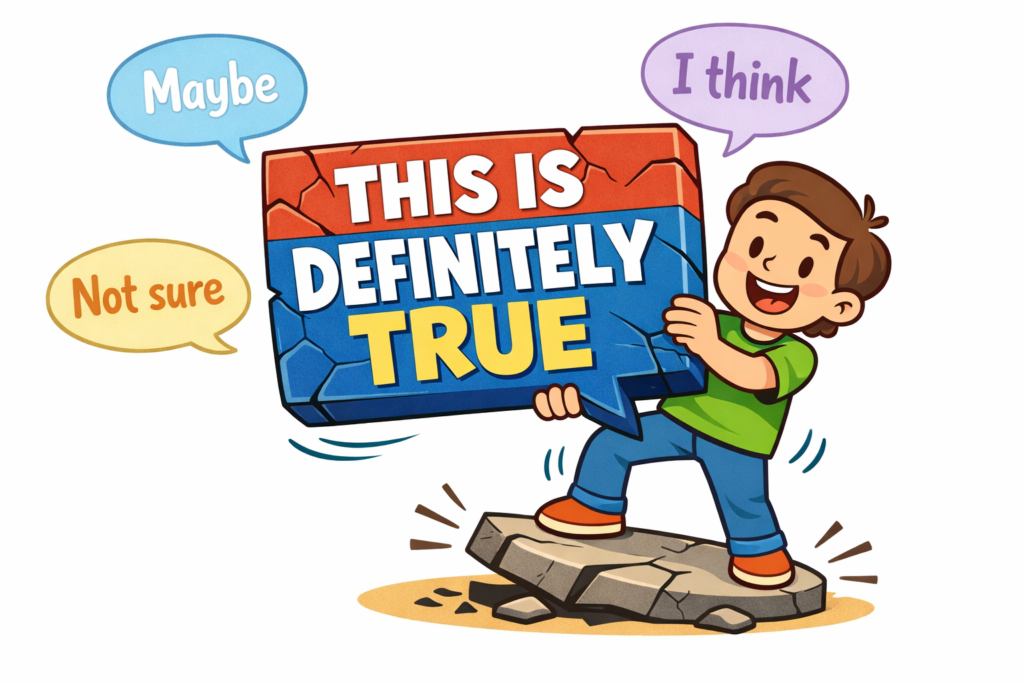
English Is Addicted to Clarity: What We Lose When Everything Must Be Clear
Imagine a familiar scene: a teacher tells a student that their answer is ‘unclear’. A boss tells an employee, ‘I need this to be clearer.’ A friend texts, ‘Just say what you mean.’ These moments are commonplace in everyday communication. Clarity, in these contexts, is not merely a stylistic choice; it is a moral imperative.
In English-speaking cultures, the demand for clarity has become almost sacrosanct. It is as if clarity is the moral currency of honesty, trustworthiness, and competence. But when did this obsession with clarity begin? And what might we be sacrificing in the process? More importantly, when did clarity become a virtue, an ethical obligation of sorts, and ambiguity a flaw?
English Is Addicted to Clarity: What We Lose When Everything Must Be Clear Read More »